
Solar panels, better insulation, new roofing and loft conversions are among the most popular ways to improve an older property.
But there’s an irony that catches many property owners out:
Modernising a building can mean disturbing materials installed decades ago.
If your home, commercial building, warehouse or other property was built or refurbished before 2000, asbestos-containing materials could still be present around the roof structure.
They may have remained completely undisturbed for years.
Then a roofer removes an old panel.
A solar installer starts drilling.
Soffits are taken down.
Or builders begin opening up a loft space.
Suddenly, a straightforward property improvement project can become considerably more complicated.
So, before work starts above your head, here’s what you need to know.
Why Is Asbestos Found in Older Roofs?
Asbestos was historically used extensively within construction because of its durability, fire resistance and ability to withstand weathering.
These properties made asbestos-containing products particularly useful for roofing and external building applications.
Older properties may therefore contain asbestos within:
- Roof sheets
- Soffit boards
- Fascia-related materials
- Undercloaking
- Wall cladding
- Rainwater goods
- Flue components
- Outbuildings and garages
Some of these materials can remain in relatively good condition for decades.
Problems are more likely to arise when they’re drilled, broken, cut or removed during building works.
Solar Panel Installation: Where Does Asbestos Come Into It?
Solar installations are now commonplace across UK homes and commercial properties.
Installation usually requires contractors to access the roof and, depending on the system, attach mounting equipment to the building.
For modern roofs, this may be relatively straightforward.
Older roofs can be different.
Before installation, it’s important to establish what roofing materials are present and whether any proposed work could disturb asbestos-containing materials.
This is particularly important for commercial and industrial buildings with older sheet roofing.
Installing renewable technology shouldn’t come at the cost of accidentally disturbing hazardous materials.
Can Solar Panels Be Installed on an Asbestos Cement Roof?
This isn’t a simple yes-or-no question.
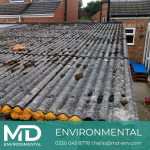
Asbestos cement roof sheets have historically been common on:
- Warehouses
- Agricultural buildings
- Garages
- Workshops
- Industrial units
- Outbuildings
Their age, condition and the proposed installation method all matter.
Drilling, cutting or otherwise disturbing asbestos cement requires careful consideration and appropriate controls.
In some circumstances, the condition of the existing roof may mean replacement or remediation should be considered before a new solar installation proceeds.
The important point is this:
Don’t wait until installers are standing on the roof to investigate it.
Identifying the roofing material during the planning stage allows the project to be designed appropriately.
Roof Replacement Can Expose Hidden Asbestos
Complete roof replacements can uncover materials that haven’t been visible for decades.
As tiles, coverings and boards are removed, contractors may encounter suspect materials around:
- Roof edges
- Eaves
- Undercloaking
- Chimneys
- Flues
- Soffits
- Previous extensions
- Older roof structures
This is one reason asbestos considerations should form part of planning intrusive roofing work on older buildings.
Discovering suspect asbestos halfway through a roof replacement can stop works and leave a building temporarily exposed to the weather.
That’s a situation everyone would rather avoid.
Don’t Forget About Soffits
Soffits are an easily overlooked source of potential asbestos.
Older soffit boards may contain asbestos and can become an issue when homeowners decide to replace:
- Fascias
- Guttering
- Roofline systems
- External cladding
A contractor may only realise there’s a potential problem once removal has already started.
If the age or composition of the existing soffit is uncertain, checking beforehand can prevent accidental disturbance.
What About Loft Conversions?
Loft conversions can involve significant intrusive work.
Projects may require:
- Structural alterations
- New roof windows
- Electrical installations
- Insulation removal
- Ceiling removal
- New staircases
- Pipework alterations
- Drilling and cutting
The asbestos risk isn’t necessarily confined to the roof itself.
Materials elsewhere within the proposed work area may include:
- Textured ceiling coatings
- Asbestos insulation board
- Pipe insulation
- Older water tanks
- Service boxing
- Flue materials
A beautiful new bedroom in the loft is the goal.
Discovering asbestos after half the ceiling has come down definitely isn’t. 😂
Energy-Efficiency Upgrades Can Also Disturb Older Materials
Solar panels aren’t the only modern upgrade that can interact with historic asbestos.
Property owners are increasingly investing in:
- Improved insulation
- Heat pumps
- Solar PV
- Battery storage
- New ventilation systems
- Energy-efficient heating
- Electrical upgrades
Many of these projects require new cables, pipework, vents or fixings to pass through existing building materials.
That’s where asbestos planning becomes relevant.
A property may be moving towards twenty-first-century energy efficiency while still containing twentieth-century construction materials.
Commercial Roofs Deserve Particular Attention
The potential issue becomes even more significant on commercial and industrial properties.
Large asbestos cement roofing systems were historically used across many:
- Factories
- Warehouses
- Workshops
- Storage buildings
- Industrial units
These properties are also prime candidates for large commercial solar installations because of their substantial roof space.
Before mounting systems, electrical infrastructure or replacement roofing is planned, the existing roof materials should be properly understood.
This helps property owners, facilities managers and solar contractors plan works safely and avoid unexpected disruption.
What Happens If Suspected Asbestos Is Found During Roof Work?
If contractors uncover a material they suspect contains asbestos, work affecting that material should stop until it has been appropriately assessed.
The next steps may include:
- Assessing the suspect material.
- Sampling and laboratory analysis where appropriate.
- Establishing its condition and extent.
- Determining whether it can remain safely in place.
- Planning controlled removal where required.
- Allowing the roofing or installation project to resume safely.
What you shouldn’t do is simply carry on and hope for the best.
Can You Tell an Asbestos Roof Just by Looking?
Not reliably.
Some asbestos cement products have characteristic appearances, but visual identification alone isn’t enough to conclusively determine whether a material contains asbestos.
Age and building records can provide useful information, but analysis may be necessary where confirmation is required.
If intrusive work is planned, knowing beforehand is considerably better than guessing.
Does an Asbestos Roof Always Need Removing?
No.
The presence of asbestos doesn’t automatically mean a roof needs immediate removal.
Asbestos-containing materials that are in good condition and aren’t being disturbed may sometimes remain safely managed.
However, planned roof works can change that situation.
If contractors need to:
- Drill through it
- Cut it
- Remove sections
- Replace surrounding materials
- Carry out extensive structural works
the most appropriate long-term approach needs to be considered.
For some projects, planned removal may make more sense than trying to design future improvements around ageing asbestos materials.
Why Checking Before Work Starts Saves Money
Imagine two scenarios.
Scenario One
The roof is assessed before the project.
Asbestos is identified.
Removal or appropriate controls are included within the programme.
Solar or roofing contractors arrive knowing exactly what they’re dealing with.
Works proceed as planned.
Scenario Two
Nobody checks.
Contractors arrive.
Suspect asbestos is discovered halfway through the work.
Everything stops.
Now you potentially have:
- Contractors waiting
- Scaffolding already erected
- Equipment on site
- Additional surveys
- Revised programmes
- Unexpected removal costs
The asbestos itself hasn’t changed.
The difference is simply when you discovered it.
Planning Is Even More Important on Live Buildings
Commercial roof and energy projects often take place while buildings remain operational.
That might mean working above:
- Employees
- Residents
- Customers
- Pupils
- Patients
- Production areas
Any asbestos-related work therefore needs to consider the wider building and its occupants.
Early identification allows suitable segregation, access arrangements and project sequencing to be planned before work starts.
Questions to Ask Before Starting Roof or Solar Works
If you’re planning improvements to an older building, ask:
- When was the property built?
- Has the roof been replaced previously?
- Are there asbestos records available?
- What materials are the soffits made from?
- Will contractors need to drill or cut existing materials?
- Will internal ceilings or service areas be disturbed?
- Has the proposed work area been appropriately surveyed?
If nobody knows the answer, that’s usually the point at which it’s worth finding out.
A Survey Can Prevent an Expensive Surprise
Appropriate asbestos surveys or targeted sampling can identify potential issues before roofing, solar or refurbishment contractors begin intrusive work.
That means asbestos can be incorporated into the project plan rather than becoming an emergency halfway through it.
And as we’ve said many times:
Planned asbestos work is nearly always easier to manage than unexpected asbestos work.
Frequently Asked Questions
Can solar panels be installed on an asbestos roof?
It depends on the roof’s material, condition and proposed installation method. Work that could drill, cut or disturb asbestos-containing roofing requires appropriate assessment and controls before installation proceeds.
Do old roof sheets contain asbestos?
Some older cement roof sheets contain asbestos, particularly on garages, warehouses, workshops and industrial buildings. You shouldn’t rely on appearance alone to confirm their composition.
Can soffits contain asbestos?
Yes. Asbestos-containing soffit boards can be found on older UK properties and may be disturbed during fascia, guttering and roofline replacement.
Do I need an asbestos survey before replacing my roof?
Where an older building may contain asbestos and intrusive work is planned, appropriate asbestos information should be obtained before work begins. The type and extent of assessment required will depend on the project.
Can I leave an asbestos cement roof in place?
Asbestos cement that’s in good condition and unlikely to be disturbed may sometimes remain safely managed. Planned roofing or solar work may alter what is appropriate.
Could a loft conversion disturb asbestos?
Yes. Loft conversions can disturb ceilings, service boxing, insulation, flues and other older materials that may contain asbestos.
What should I do if my roofer discovers suspected asbestos?
Work affecting the suspect material should stop and professional advice should be sought before further disturbance occurs.
Planning Roof, Solar or Loft Works? Check Before You Start
Improving an older building should be exciting — not brought to a sudden halt because unexpected asbestos has been uncovered halfway through the project.
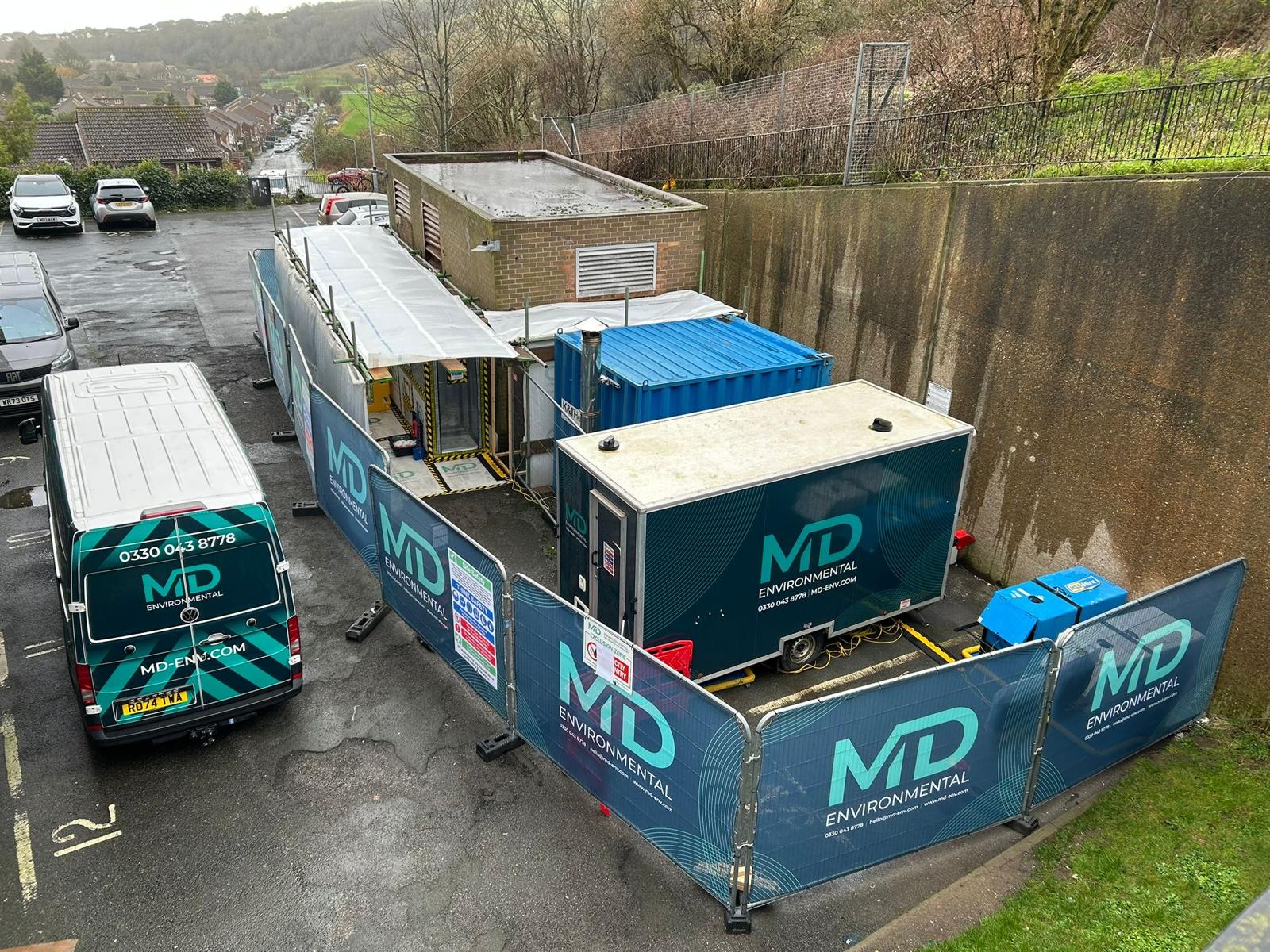
At MD Environmental, we help homeowners, property managers, contractors and commercial organisations identify and manage asbestos risks before intrusive works begin.
Our services include:
- Asbestos Surveys & Sampling
- Refurbishment & Demolition Surveys
- Licensed Asbestos Removal
- Asbestos Cement Removal
- Commercial & Industrial Asbestos Solutions
- Support for Roofing & Refurbishment Projects
Whether you’re replacing an ageing roof, installing solar panels, upgrading soffits or planning a loft conversion, speak to our team before work begins.
Call: 0330 043 8778
Email: hello@md-env.com
Contact MD Environmental today for expert advice and a no-obligation quote.