Discovering asbestos in your home, workplace, school, or commercial property can be alarming.
For many people, the immediate thought is:
👉 “Is it safe to stay here?”
The good news is that asbestos isn’t always dangerous simply because it’s present. In fact, many buildings across the UK still contain asbestos materials that are safely managed every day.
The real risk comes when asbestos is:
- Damaged
- Disturbed
- Deteriorating
- Incorrectly handled during maintenance or renovations
Understanding the difference is key.
Why Asbestos Is Still Found in UK Buildings
Asbestos was widely used in construction materials until it was fully banned in the UK in 1999.
Because of its:
- Fire resistance
- Durability
- Insulation properties
…it became common in:
- Homes
- Schools
- Offices
- Factories
- Public buildings
Today, many older buildings still contain asbestos in some form.
Common Places Asbestos May Be Present
Asbestos is commonly found in:
- Artex and textured ceilings
- Floor tiles and adhesives
- Pipe lagging
- Insulation boards
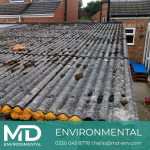
- Garage roofs
- Ceiling voids
- Boiler rooms
- Wall panels and soffits
👉 Many materials remain hidden until refurbishment or maintenance works begin.
When Does Asbestos Become Dangerous?
Asbestos becomes dangerous when fibres are released into the air.
This can happen when materials are:
- Drilled
- Sanded
- Broken
- Removed
- Damaged over time
Once airborne, fibres can be inhaled without you even noticing.
👉 You can’t see them.
👉 You can’t smell them.
👉 And exposure risks often go unnoticed.
Can You Safely Live in a House With Asbestos?
In many cases, yes.
If asbestos-containing materials are:
- In good condition
- Undisturbed
- Properly managed
…the risk is generally considered low.
This is why many asbestos materials are sometimes left in place and monitored rather than immediately removed.
👉 The key word is: managed.
What About Offices, Schools & Commercial Buildings?
The same principle applies.
Many workplaces and public buildings across the UK still contain asbestos materials that are safely managed under asbestos management plans.
However, risks increase during:
- Refurbishment works
- Maintenance projects
- Ceiling or flooring upgrades
- Plumbing or electrical works
This is why surveys and proper planning are essential before intrusive work begins.
The Biggest Risk? Accidental Disturbance
One of the most common problems we see is accidental disturbance during:
- DIY projects
- Property renovations
- Maintenance works
- Demolition preparation
People often begin work without realising asbestos is present — and by the time it’s discovered, fibres may already have been released.
Signs You Should Get Asbestos Checked
You should seek professional advice if:
- Materials appear damaged or deteriorating
- You’re planning renovations
- Dust or debris is present around suspect materials
- Your property was built before 2000
- You’re unsure what materials are present
👉 It’s always better to check first than deal with emergency situations later.
How Is Asbestos Identified?
Asbestos cannot usually be identified by appearance alone.
Professional surveys and sampling are used to:
- Identify asbestos-containing materials
- Assess condition and risk
- Recommend management or removal options
Does All Asbestos Need to Be Removed?
No.
In some cases, the safest option is:
- Leaving materials in place
- Encapsulating them
- Monitoring their condition
Removal is typically required when:
- Materials are damaged
- Refurbishment is planned
- Exposure risks are present
Legal Responsibilities
For landlords, businesses, schools, and commercial property owners, there are legal responsibilities to:
- Identify asbestos risks
- Prevent exposure
- Safely manage materials
Failure to do so can lead to:
- Health risks
- Project delays
- Legal consequences
Real Talk: What We Often See
We’re frequently called after:
- DIY works have disturbed ceilings or tiles
- Contractors uncover suspect materials mid-project
- Buildings haven’t been surveyed before works start
At that point, jobs become:
👉 More urgent
👉 More expensive
👉 More disruptive
Most of the time, the situation could have been avoided with early checks and planning.
FAQs
Is asbestos dangerous if left alone?
In many cases, asbestos is low risk if undamaged and undisturbed.
Can I stay in my house if asbestos is found?
Usually yes, depending on the condition and location of the material.
Do all old buildings contain asbestos?
No, but properties built before 2000 may contain asbestos materials.
Should asbestos always be removed?
Not always. Some materials can be safely managed in place.
What should I do if I accidentally disturb asbestos?
Stop work immediately, avoid the area, and contact professionals for advice.
Can asbestos be hidden behind walls or ceilings?
Yes — many asbestos materials are concealed within building structures.
Need Advice About Asbestos in Your Property?
If you’ve discovered suspected asbestos — or you’re unsure whether materials in your property could contain it — getting professional advice early is always the safest option.
At MD Environmental, we provide:
- Asbestos surveys and testing
- Licensed removal works
- Support for domestic, commercial and industrial properties
👉 Safe, compliant solutions from experienced specialists.
Call our team: 0330 043 8778
Email: hello@md-env.com
Get in touch today for expert guidance and a no-obligation quote.