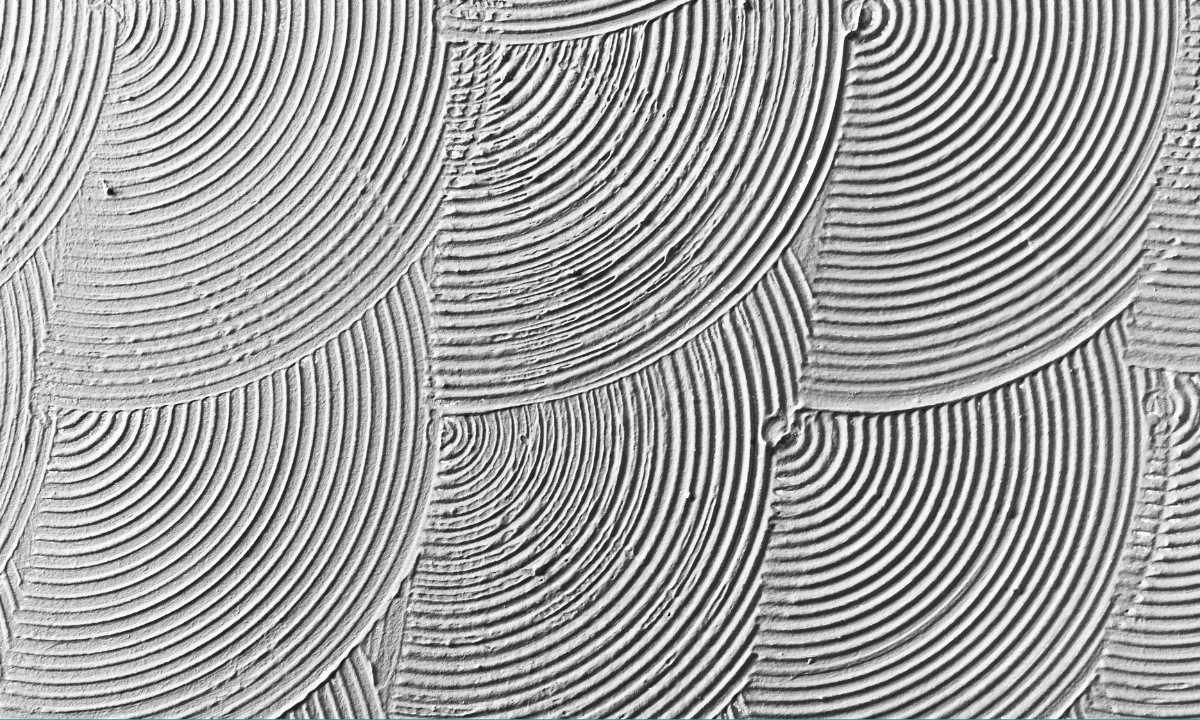
For decades, Artex ceilings were one of the most popular decorative finishes in homes across the UK.
From swirls and stippled patterns to textured finishes designed to hide imperfections, millions of properties still have Artex ceilings today.
Most homeowners rarely give them a second thought…
…until they notice something has changed.
Perhaps there’s a crack running across the ceiling after years of movement.
Maybe a leaking roof has left water stains and bubbling paint.
Or perhaps an electrician has suggested drilling through the ceiling to install spotlights.
It’s at this point that many homeowners begin asking the same question:
“Could my Artex ceiling contain asbestos?”
The answer isn’t always straightforward, but understanding the risks can help you make informed decisions before carrying out any repairs or refurbishment work.
What Is Artex?
Artex is a textured decorative coating that became extremely popular between the 1960s and 1990s.
It was commonly applied to:
- Ceilings
- Walls
- Hallways
- Staircases
- Bedrooms
- Living rooms
Some textured coatings manufactured before asbestos was banned contained small amounts of chrysotile (white asbestos) to improve strength and durability.
Not every Artex ceiling contains asbestos, but if your property was built or decorated before 2000, it’s sensible not to make assumptions.
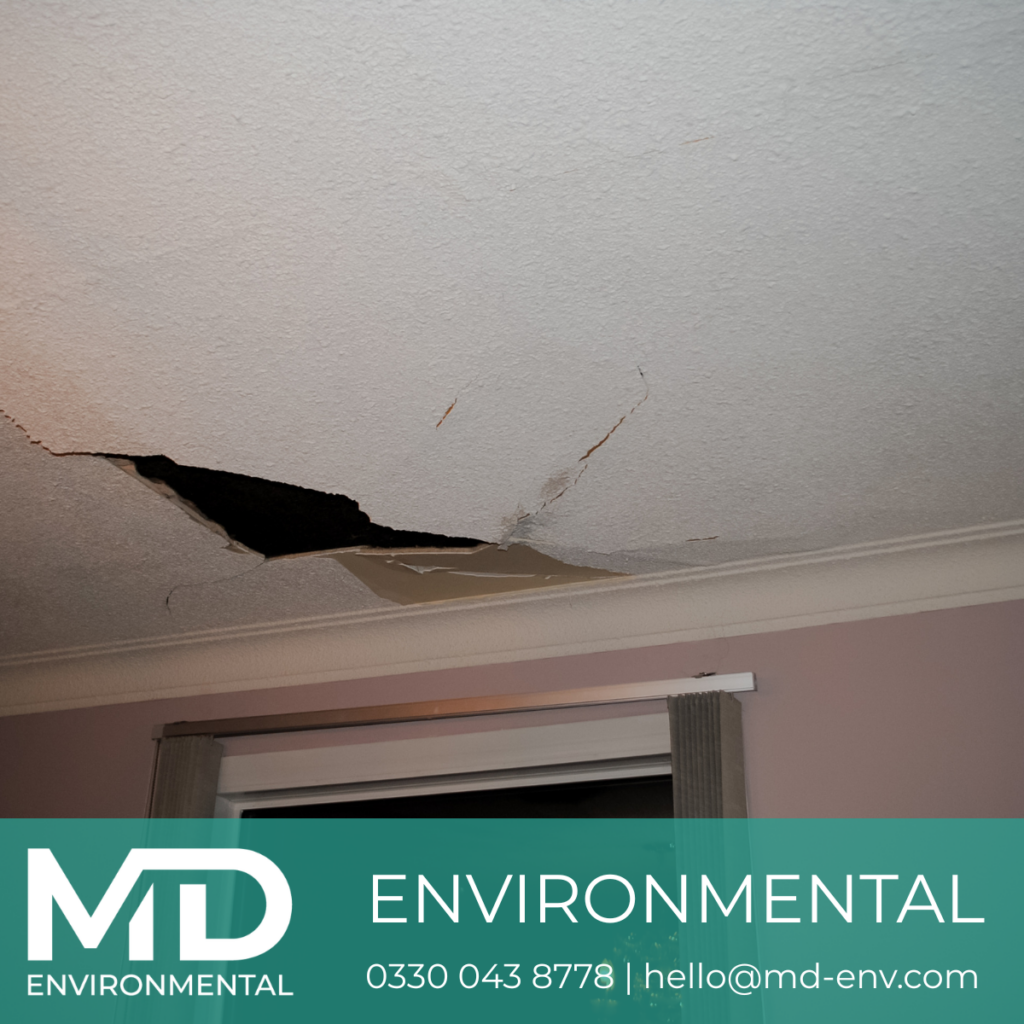


Does a Crack Mean Your Ceiling Is Dangerous?
Not necessarily.
Buildings naturally move over time.
Small hairline cracks can appear because of:
- Settlement
- Temperature changes
- Age
- Normal structural movement
A crack alone doesn’t automatically mean asbestos fibres are being released.
However, if the coating is:
- Breaking away
- Flaking
- Crumbling
- Severely damaged
…the situation should be assessed before any repair work takes place.
What About Water Damage?
Leaks from roofs, bathrooms or plumbing can damage textured ceilings.
You may notice:
- Staining
- Bubbling paint
- Sagging ceilings
- Loose sections
- Peeling finishes
Water doesn’t automatically release asbestos fibres, but it can weaken the coating over time.
If repairs are needed, it’s important to know whether asbestos is present before scraping, sanding or removing damaged areas.
Planning Home Improvements?
Many homeowners only discover asbestos because they’re carrying out improvements such as:
- Installing spotlights
- Rewiring
- Replacing ceilings
- Loft conversions
- Kitchen renovations
- Decorating
- Plastering over Artex
Even relatively small jobs can disturb textured coatings if asbestos is present.
Checking first can prevent unexpected delays and unnecessary risks.
Electricians, Plumbers & Other Trades
One of the most common situations we encounter is tradespeople needing access through textured ceilings.
For example:
- Running electrical cables
- Installing extractor fans
- Fitting alarms
- Adding downlights
- Plumbing alterations
Before any drilling or cutting takes place, it’s worth confirming whether asbestos could be present.
A simple survey or sample can often provide the answers needed before work begins.
How Can You Tell If Artex Contains Asbestos?
Unfortunately…
You can’t tell just by looking.
Two ceilings can appear identical while one contains asbestos and the other doesn’t.
The only reliable method is professional sampling and laboratory analysis.
A small sample is carefully taken and sent for testing, providing accurate results without unnecessary disturbance.
Can You Repair or Cover Artex?
In many situations, yes.
Depending on its condition, options may include:
Leaving It Alone
If the coating is in good condition and won’t be disturbed.
Encapsulation
Covering the existing coating with new plasterboard or another suitable material.
Plaster Skimming
In some circumstances, ceilings may be skimmed over after appropriate assessment.
Removal
If refurbishment requires the coating to be disturbed or if it’s significantly damaged, removal may be the most appropriate option.
The best solution will always depend on the condition of the ceiling and any future building work planned.
Common DIY Mistakes
It’s understandable that many homeowners want to tackle small jobs themselves.
However, some of the most common mistakes include:
❌ Sanding textured ceilings
❌ Scraping loose coatings
❌ Drilling multiple holes without checking
❌ Removing damaged sections
❌ Using power tools that create dust
These activities have the potential to disturb asbestos-containing materials if they are present.
Should You Worry?
The simple answer is:
Not necessarily.
Many homes across the UK still contain asbestos-containing materials that remain safely managed for decades.
Problems usually arise when materials are disturbed during maintenance or refurbishment.
If you’re unsure, professional advice is always the safest option.
A Little Planning Goes a Long Way
One of the most common things we hear is:
“We wish we’d checked before starting.”
A simple survey or sample taken before renovation work can prevent:
- Unexpected delays
- Additional costs
- Project disruption
- Emergency call-outs
It also gives you peace of mind before trades begin work in your home.
Frequently Asked Questions
Does every Artex ceiling contain asbestos?
No. However, many textured coatings applied before 2000 may contain small amounts of asbestos.
Is a cracked Artex ceiling dangerous?
Not necessarily. Small cracks caused by normal building movement aren’t usually a cause for alarm, but damaged or deteriorating coatings should be assessed before repairs.
Can a leaking roof damage an asbestos-containing ceiling?
Water can weaken textured coatings, making professional assessment advisable before repairs are carried out.
Can I plaster over an Artex ceiling?
In many cases, yes. However, it’s sensible to establish whether asbestos is present before carrying out work.
Can electricians drill through Artex ceilings?
They can, but if the ceiling may contain asbestos, testing beforehand is strongly recommended.
What’s the safest way to find out if my ceiling contains asbestos?
Professional sampling and laboratory testing is the most reliable way to confirm whether asbestos is present.
Concerned About Your Artex Ceiling?
If you’ve noticed cracks, water damage, flaking coatings or you’re planning home improvements, don’t leave it to guesswork.
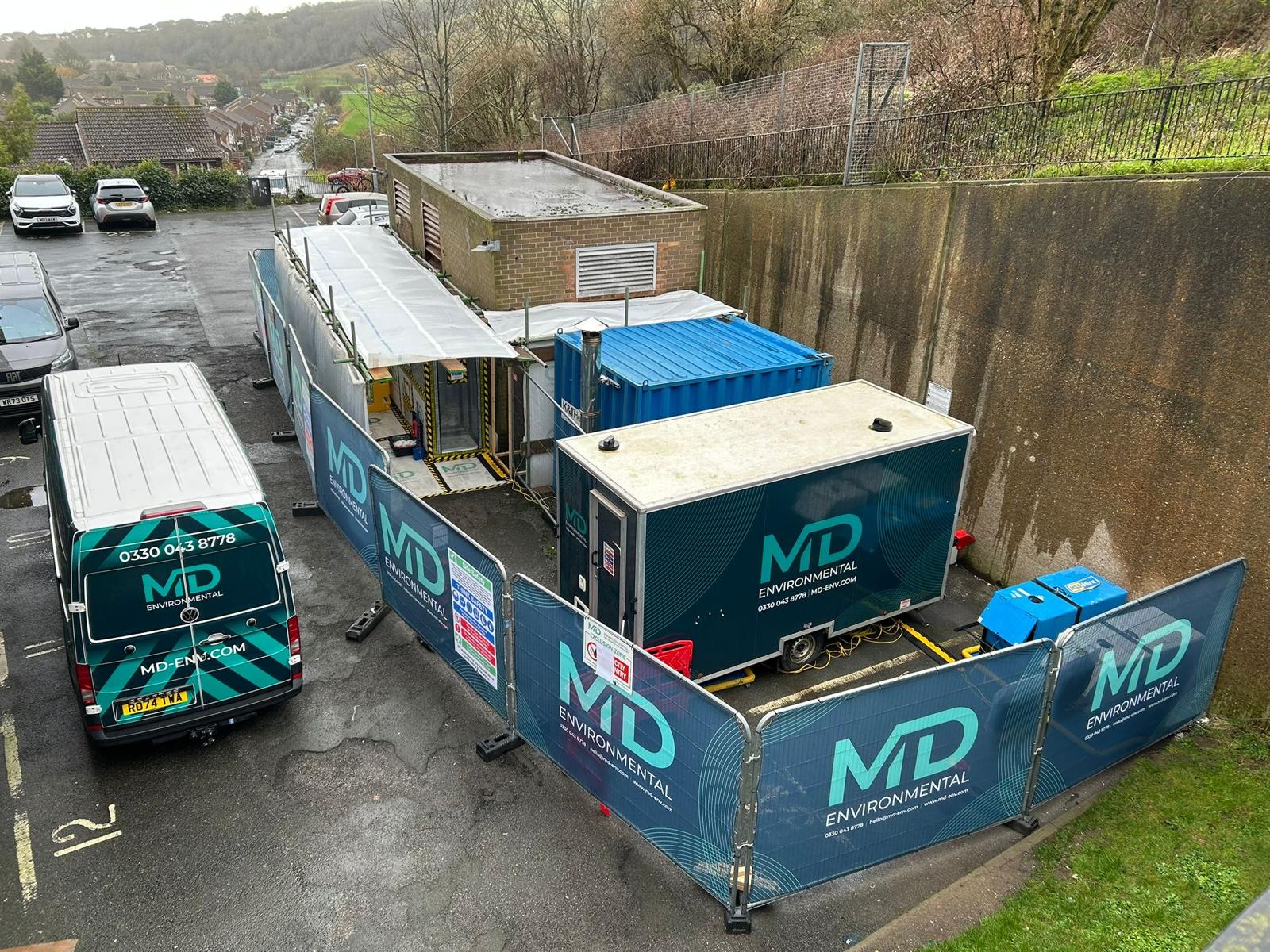
At MD Environmental, we provide professional asbestos surveys, sampling and licensed removal services to help homeowners, landlords and businesses make informed decisions before work begins.
Our experienced team can help with:
✅ Asbestos Sampling & Testing
✅ Refurbishment & Demolition Surveys
✅ Licensed Asbestos Removal
✅ Domestic & Commercial Projects
✅ Expert Advice Before Renovation Works
Whether you’re planning to redecorate, install spotlights or carry out a full refurbishment, we’re here to help you move forward safely and with confidence.
📞 Call: 0330 043 8778
📧 Email: hello@md-env.com
Get in touch with MD Environmental today for expert advice and a no-obligation quote.