When people think about asbestos, they often picture old ceilings or industrial buildings.
But one of the most common places asbestos is found in UK properties is much closer to home — your garage, shed, or outbuildings.
From corrugated garage roofs to wall panels and soffits, asbestos-containing materials were widely used in outdoor structures for decades. And because these areas are often overlooked, the risks can go unnoticed… until work begins.
If you’re planning to repair, replace, or demolish a garage or outbuilding, this guide will help you understand what to look for — and what to do next.
Why Garages & Outbuildings Are High Risk for Asbestos
Garages and outbuildings were often built using asbestos cement products, particularly between the 1950s and late 1990s.
Why? Because asbestos cement was:
- Strong and durable
- Weather-resistant
- Fire-resistant
- Cost-effective
This made it ideal for:
- Garage roofs
- Shed panels
- External cladding
- Gutters and downpipes
👉 The result? Thousands of UK properties still have asbestos materials sitting in their gardens today.
Where Asbestos Is Commonly Found in Garages & Sheds
If your garage or outbuilding is older, asbestos may be present in:
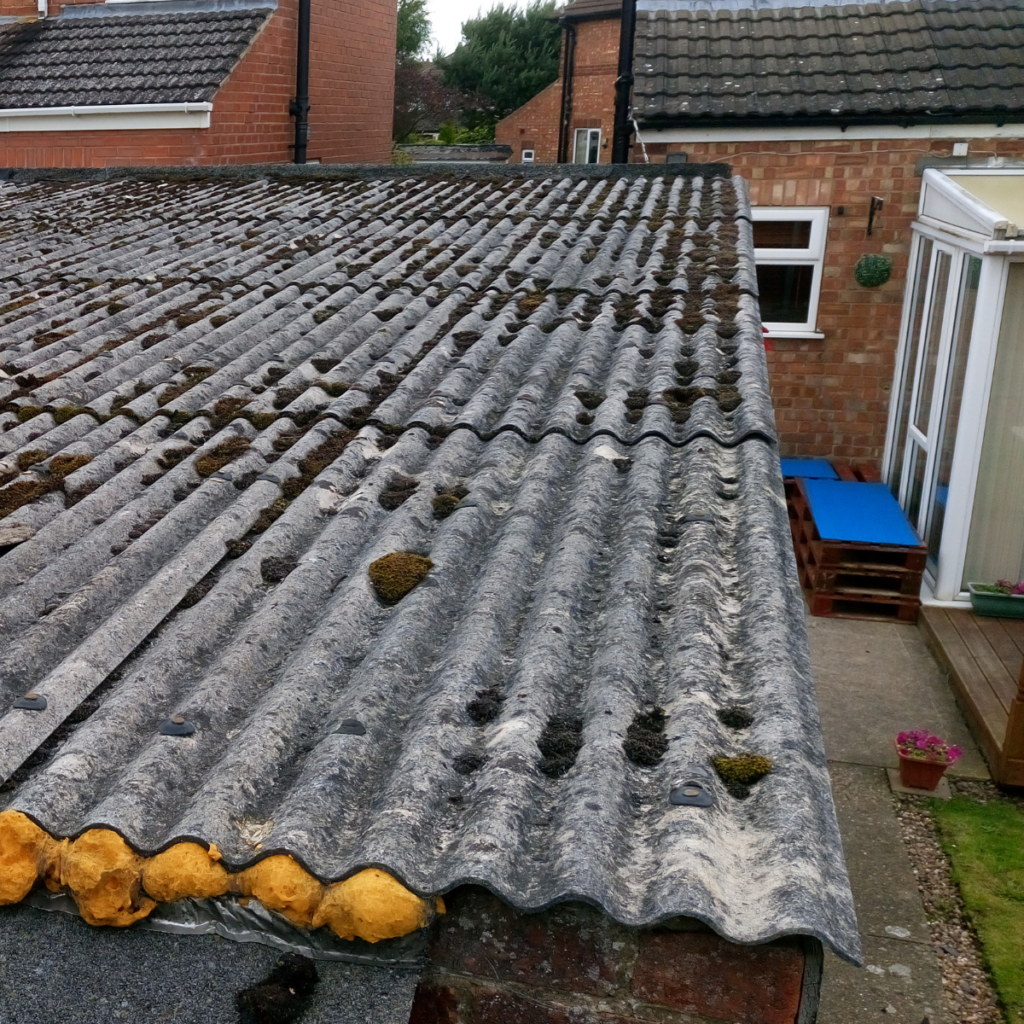
Garage Roofs
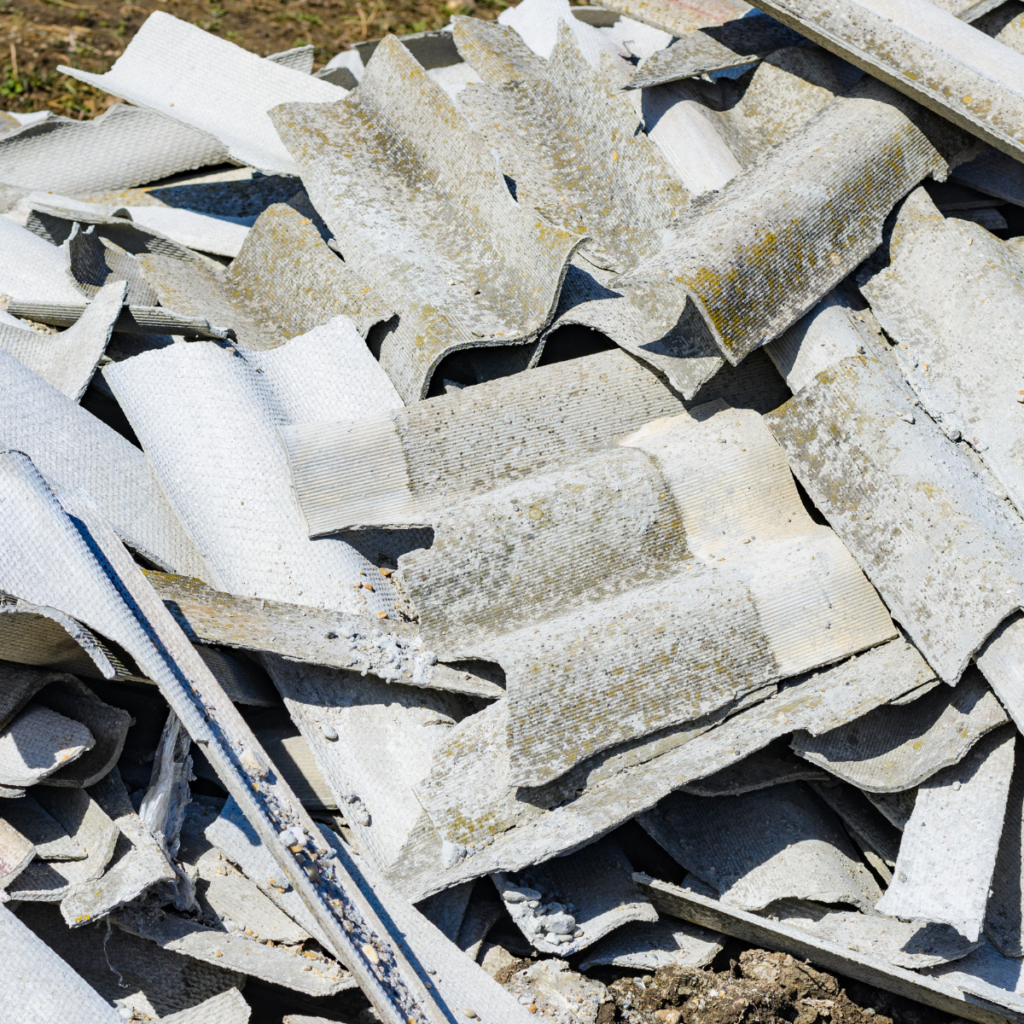
- Corrugated cement sheets
- Flat panel roofing
- Often grey in colour and slightly textured
Wall Panels & Cladding
- Cement board panels
- Internal and external wall linings
Soffits & Fascias
- Boards beneath roof edges
- Often overlooked but commonly contain asbestos
Gutters & Downpipes
- Older cement-based systems
- Less common, but still present in some properties
Storage Units & Sheds
- Prefabricated sheds
- Outbuildings installed decades ago
👉 Important:
Just because a material looks like cement doesn’t mean it’s safe. Many asbestos-containing materials appear completely harmless.
Is Asbestos in Garage Roofs Dangerous?
In many cases, asbestos cement is considered lower risk — as long as it remains intact and undisturbed.
However, problems arise when materials are:
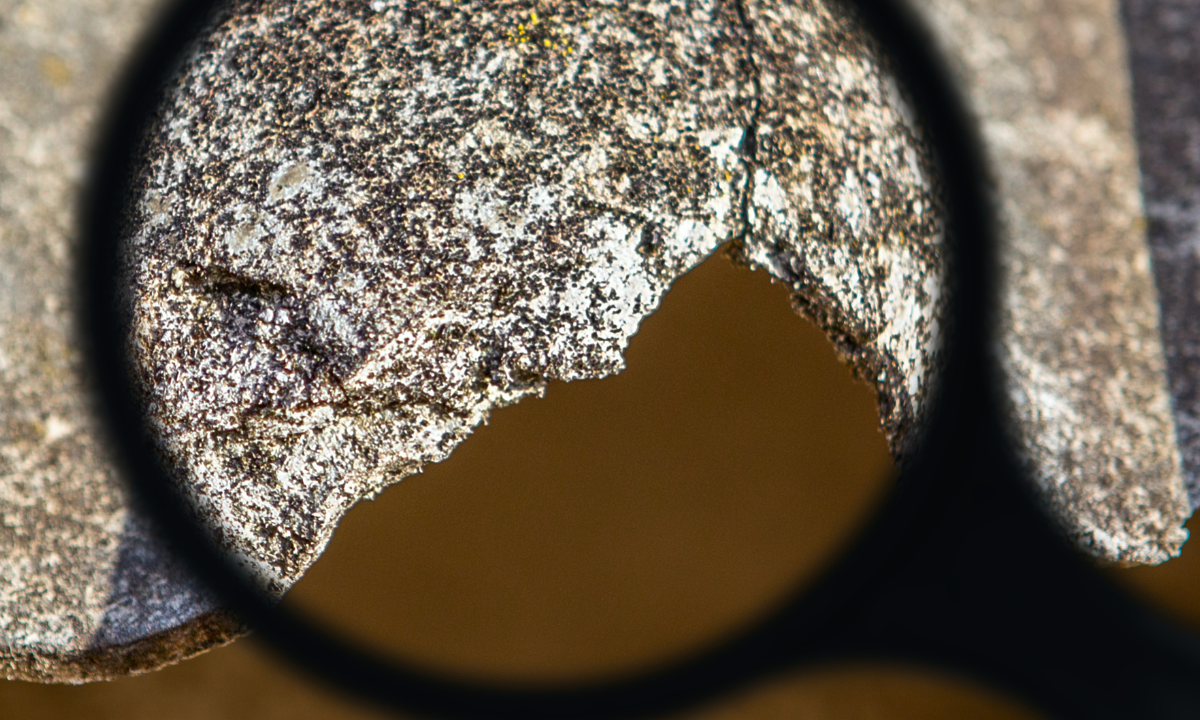
- Damaged
- Weathered or deteriorating
- Cracked or broken
- Cut, drilled, or removed
When disturbed, asbestos can release fibres into the air — and that’s where the risk becomes serious.
Common Situations Where Asbestos Gets Disturbed
We regularly see issues arise when people:
- Replace garage roofs
- Demolish old sheds
- Install new doors or windows
- Drill into walls or roofing
- Attempt DIY removal
In many cases, homeowners don’t realise asbestos is present until work has already started.
Can You Remove an Asbestos Garage Roof Yourself?
This is one of the most searched questions — and the answer is:
👉 Technically, some asbestos cement materials can be removed without a licence.
BUT…
That doesn’t mean it’s safe — or advisable.
Risks include:
- Fibre exposure
- Incorrect handling
- Improper disposal (which is illegal)
- Contamination of surrounding areas
👉 Many local authorities have strict rules about asbestos disposal, and not all sites will accept it.
Legal Responsibilities in the UK
If you own or manage a property, you have a responsibility to ensure asbestos is handled safely.
This applies to:
- Homeowners (especially during renovations)
- Landlords
- Businesses
- Contractors
You must:
- Prevent exposure
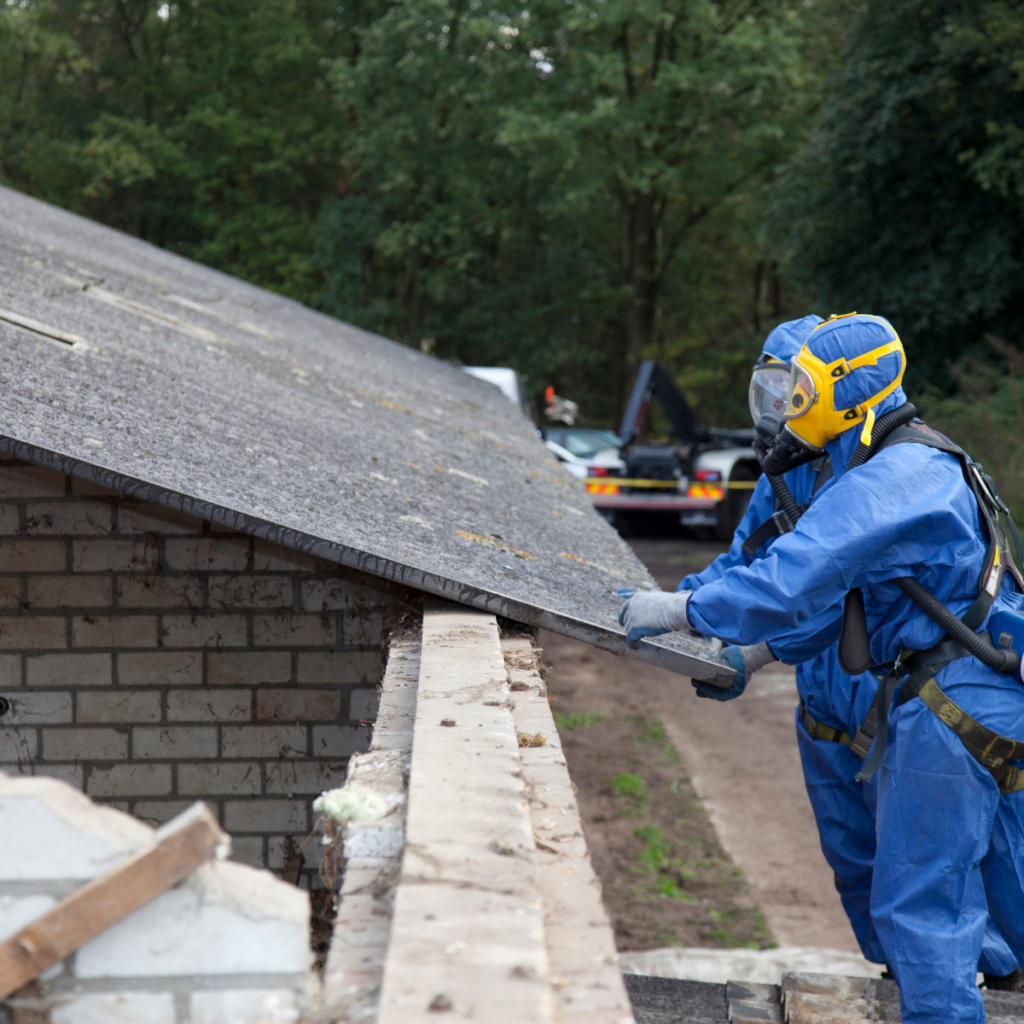
- Ensure safe removal
- Dispose of asbestos legally
Failure to comply can result in:
- Fines
- Environmental penalties
- Legal action
How to Confirm If Your Garage Contains Asbestos
The only reliable way is through professional testing.
A trained специалист will:
- Take a controlled sample
- Send it to a certified lab
- Confirm whether asbestos is present
👉 Never attempt to break or sample materials yourself.
Your Options: Leave, Encapsulate or Remove?
Leave in Place
If materials are in good condition and not being disturbed, they may be left and monitored.
Encapsulation
Sealing the material to prevent fibre release. This can be a cost-effective solution in some cases.
Removal
Required when:
- Materials are damaged
- Work is planned
- Structures are being demolished
Removal should always be carried out safely and in line with regulations.
How Much Does Garage Asbestos Removal Cost?
Costs depend on:
- Size of the garage or structure
- Type of materials
- Accessibility
- Waste disposal requirements
Typical scenarios:
- Single garage roof removal: lower cost range
- Larger structures or multiple buildings: higher cost
👉 Planning ahead is always more cost-effective than emergency removal.
Real Scenario: What We Often See
We’re frequently called out after:
- A garage roof has already been partially removed
- Sheets have been broken during DIY work
- Waste has been incorrectly handled
At this stage, the job becomes:
👉 More complex
👉 More expensive
👉 More urgent
The safest approach?
Check before you touch it.
FAQs
Do all garage roofs contain asbestos?
No, but many older garages (pre-2000) do — especially those with cement sheet roofing.
Is asbestos cement safe?
It’s generally low risk if undamaged, but becomes hazardous when disturbed.
Can I take asbestos to the tip?
Only certain facilities accept asbestos, and strict rules apply. You must check with your local authority.
Do I need a professional to remove asbestos from a shed?
While some materials are non-licensed, professional removal is strongly recommended for safety and compliance.
What happens if asbestos sheets break?
Broken materials can release fibres and should be handled carefully by trained professionals.
How quickly can asbestos be removed?
This depends on the size and complexity of the job, but many removals can be arranged quickly once assessed.
Need Help With a Garage or Outbuilding?
If you’re unsure whether your garage, shed or outbuilding contains asbestos — or you’re planning repairs or demolition — it’s always best to get expert advice first.
At MD Environmental, we provide:
- Asbestos testing and surveys
- Safe, compliant removal
- Support for domestic, commercial and industrial properties
👉 Don’t take risks with asbestos materials.
Call our team: 0330 043 8778
Email: hello@md-env.com
Speak to a licensed specialist today for guidance and a no-obligation quote.