Before walls come down, ceilings are removed, or buildings are redeveloped, there’s one critical stage that should never be overlooked:
👉 Hazardous material removal.
In commercial, industrial, and public sector projects across the UK, soft strip demolition is often the first major phase of redevelopment. But before any strip-out works begin, asbestos and other hazardous materials must be properly identified and safely removed.
Skipping this stage can lead to:
- Serious health risks
- Project shutdowns
- Costly delays
- Legal issues
And unfortunately, we still see projects where demolition starts before proper surveys or removals have taken place.
What Is Soft Strip Demolition?
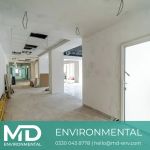
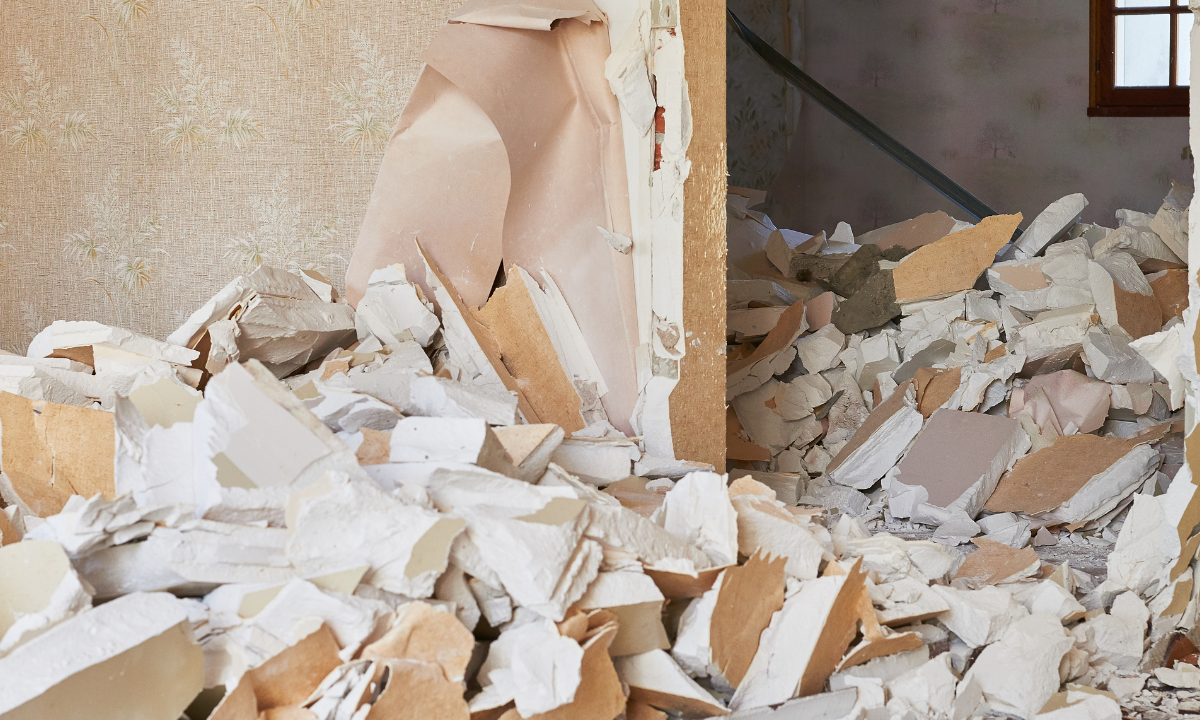
Soft strip demolition involves removing non-structural elements from a building before major demolition or refurbishment begins.
This can include:
- Ceilings
- Flooring
- Internal walls
- Fixtures and fittings
- Mechanical and electrical systems
- Redundant services
The aim is to safely prepare the building for the next stage of works.
Why Hazardous Material Removal Comes First
Many older buildings still contain hazardous materials hidden within:
- Ceiling voids
- Service risers
- Plant rooms
- Flooring systems
- Wall panels
- Pipe insulation
If these materials are disturbed during demolition, fibres and contaminants can spread rapidly through the building.
👉 This creates serious safety and compliance risks.
That’s why asbestos surveys and hazardous material removal must always happen before intrusive works begin.
Common Hazardous Materials Found During Strip-Out Works
The most common materials include:
Asbestos
Found in:
- Pipe lagging
- Insulation boards
- Floor tiles
- Ceiling coatings
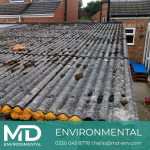
- Cement materials
Lead Paint
Often present on:
- Steelwork
- Pipework
- Older painted surfaces
Other Hazardous Substances
Depending on the site, this may also include:
- Contaminated debris
- Chemical residues
- Industrial insulation materials
Why Commercial & Industrial Buildings Carry Higher Risk
Older commercial buildings often contain:
- Extensive service systems
- Large plant areas
- Hidden voids and ducts
- Historic refurbishments layered over decades
This means hazardous materials are often concealed until intrusive works begin.
👉 Proper planning is critical.
Why Surveys Matter Before Demolition
Refurbishment and demolition asbestos surveys are designed to:
- Locate hidden asbestos-containing materials
- Assess risk areas
- Prevent accidental disturbance
- Allow safe planning of works
Without surveys, contractors may unknowingly disturb hazardous materials during strip-out operations.
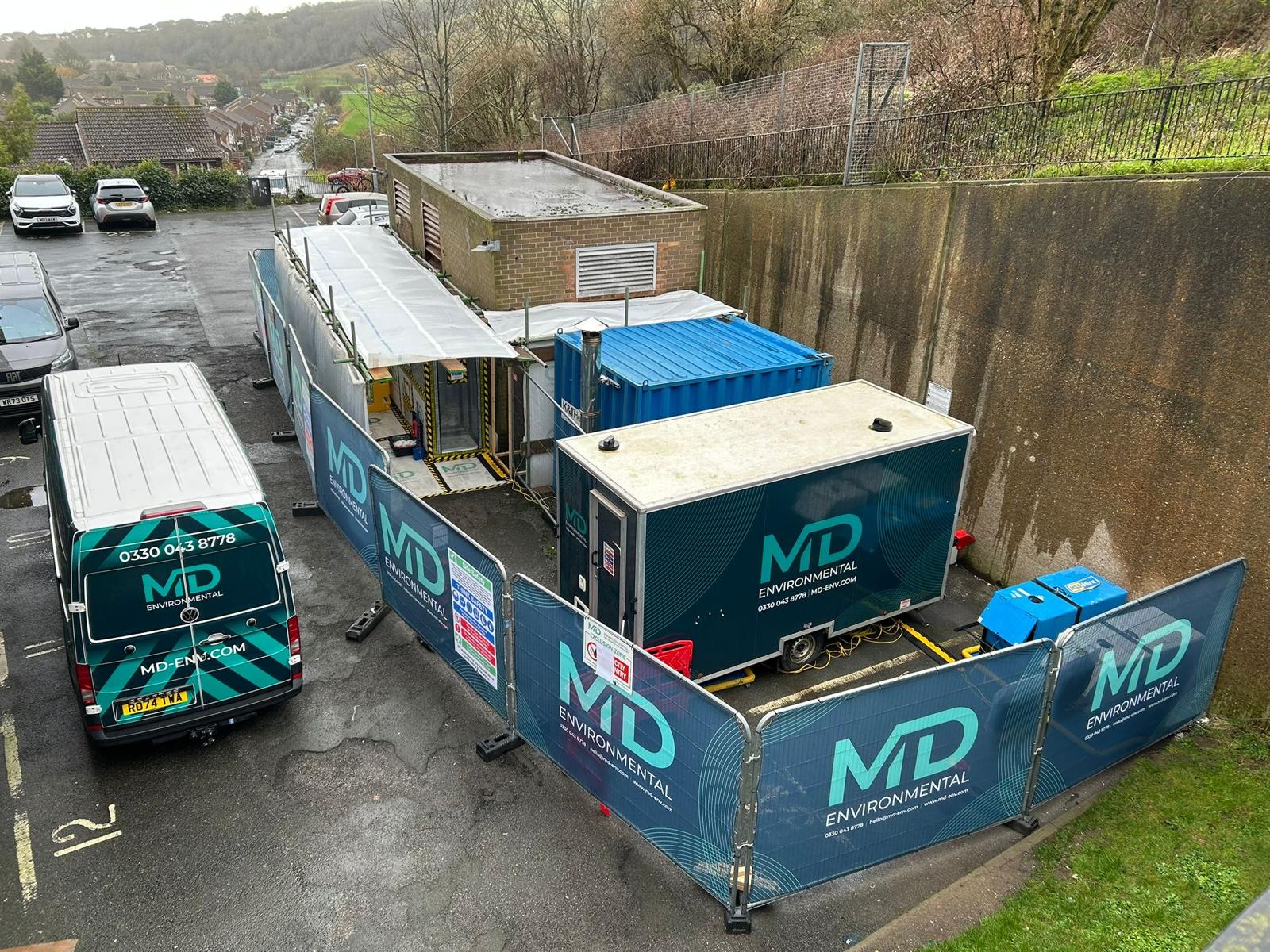
What Happens During Hazardous Material Removal?
Before soft strip demolition progresses, hazardous materials are safely removed under controlled conditions.
This may include:
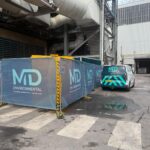
- Controlled enclosures
- Negative pressure systems
- Specialist PPE and RPE
- Air monitoring
- Safe waste handling and disposal
The goal is to ensure the building is safe for the next phase of demolition works.
Why Sequencing Matters
Getting the order wrong can create huge problems.
We’ve seen projects where:
- Strip-out started too early
- Hidden asbestos was discovered mid-project
- Works were halted immediately
- Additional costs and delays followed
👉 Proper sequencing protects:
- Workers
- Contractors
- Occupants
- Timelines
- Budgets
Soft Strip Works in Sensitive Environments
Projects in:
- Schools
- Hospitals
- Offices
- Public buildings
…often require even greater planning due to occupancy, access restrictions, and tight deadlines.
In many cases, works are completed during:
- Shutdown periods
- Holidays
- Night programmes
to minimise disruption and maintain safety.
Legal Responsibilities
Duty holders, contractors, and project managers have legal responsibilities to:
- Identify asbestos risks
- Prevent exposure
- Ensure safe removal and disposal
- Maintain compliance with UK regulations
Failure to do so can result in:
- Enforcement action
- Project delays
- Prosecution
- Significant financial impact
Real Talk: What We Often See
One of the biggest issues we encounter is:
👉 “We didn’t know it was there.”
By the time hazardous materials are discovered mid-project:
- Costs increase
- Timelines shift
- Safety risks rise dramatically
Proper surveys and planned removal works avoid these situations entirely.
FAQs
What is soft strip demolition?
Soft strip demolition involves removing non-structural elements before major demolition or refurbishment works begin.
Why is asbestos removed before demolition?
Disturbing asbestos during demolition can release dangerous fibres and create major safety risks.
What survey is needed before demolition?
A refurbishment and demolition asbestos survey is typically required before intrusive works begin.
Can demolition start before asbestos removal?
No — hazardous materials should be identified and safely managed before demolition works proceed.
What buildings are most at risk?
Older commercial, industrial, educational, and public buildings often contain hidden asbestos materials.
What happens if asbestos is discovered mid-project?
Works may need to stop immediately until the material is safely assessed and removed.
Planning Soft Strip or Demolition Works?
At MD Environmental, we support commercial, industrial, and public sector projects with:
- Asbestos surveys
- Hazardous material removal
- Soft strip preparation works
- Safe, compliant site support
👉 Helping projects stay safe, compliant, and on schedule.
Call our team: 0330 043 8778
Email: hello@md-env.com
Get in touch today to discuss your project requirements.