When people think about asbestos, ceilings and garage roofs usually come to mind.
But one of the most commonly overlooked asbestos risks in UK properties is right under your feet — floor tiles.
Found in homes, schools, offices, and commercial buildings across the UK, asbestos floor tiles were widely used for decades. And because they often look harmless, many people don’t realise the risk until they start lifting, sanding, or replacing flooring.
If you’re planning renovations or have an older property, here’s what you need to know.
What Are Asbestos Floor Tiles?
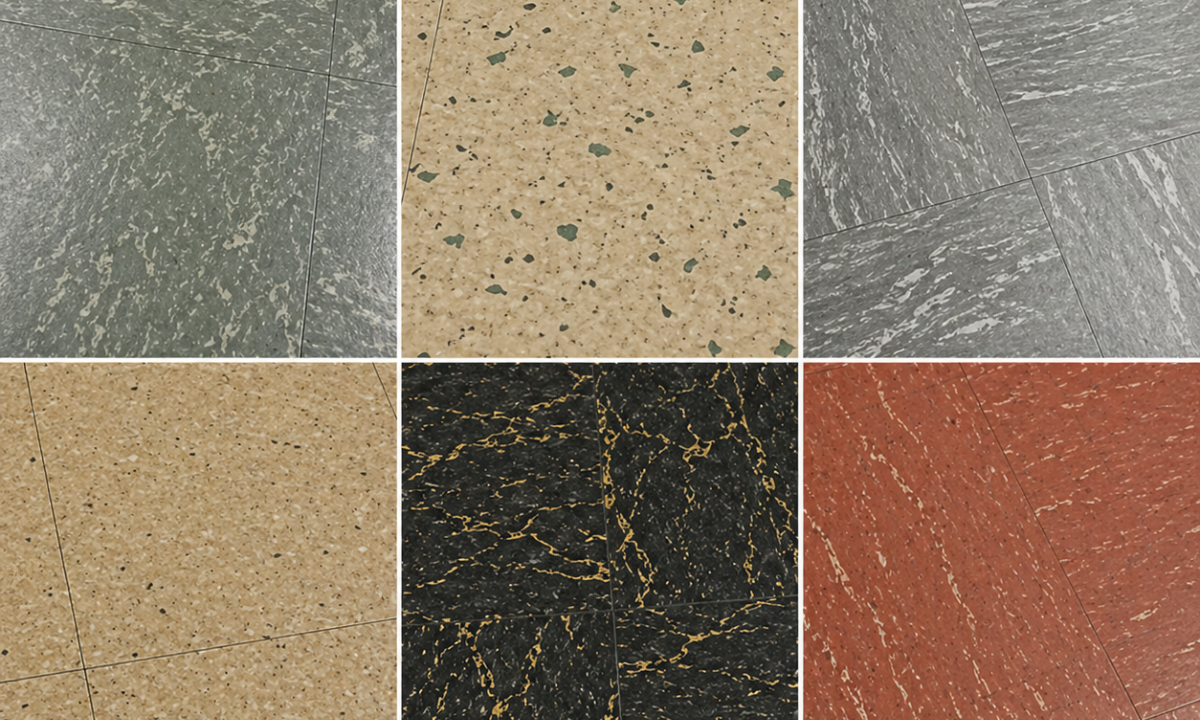
Asbestos floor tiles are typically:
- Vinyl or thermoplastic tiles
- Installed between the 1950s and late 1990s
- Often square (commonly 9×9 inch tiles)
- Found in a wide range of colours and patterns
Asbestos was added to:
- Strengthen the tiles
- Improve durability
- Increase resistance to heat and wear
👉 At the time, it was seen as a practical solution — but we now know the risks.
Where Are Asbestos Floor Tiles Commonly Found?
These tiles were used almost everywhere, including:
Domestic Properties
- Kitchens
- Hallways
- Utility rooms
- Bathrooms
Commercial Buildings
- Offices
- Retail spaces
- Communal areas
Public Buildings
- Schools
- Hospitals
- Government buildings
👉 If your property was built or refurbished before 2000, there’s a chance asbestos floor tiles may be present.
Are Asbestos Floor Tiles Dangerous?
This is where context matters.
In many cases, asbestos floor tiles are considered low risk — if they are in good condition and left undisturbed.
However, they become dangerous when:
- Broken or damaged
- Lifted or removed
- Sanded or drilled
- Scraped during renovations
👉 When disturbed, asbestos fibres can be released into the air — and that’s where the real risk begins.
The Hidden Risk: Tile Adhesive (Most People Miss This)
Here’s something many people don’t realise 👇
👉 It’s not just the tiles.
The black adhesive (bitumen) used to fix tiles in place can also contain asbestos.
This means even if:
- Tiles look intact
- You’re just removing glue residue
…you could still be exposing yourself to asbestos fibres.
👉 This is one of the most common issues we encounter on site.
Common Situations Where Asbestos Tiles Get Disturbed
We regularly see problems when people:
- Replace old flooring
- Lift tiles during renovations
- Sand floors to level surfaces
- Remove adhesive manually
- Carry out DIY refurbishments
In many cases, the work starts before anyone considers asbestos — which can lead to contamination and delays.
Can You Remove Asbestos Floor Tiles Yourself?
This is a grey area — but here’s the honest answer:
👉 Some asbestos floor tile work is considered non-licensed
👉 BUT it still carries risk if not handled correctly
Potential issues include:
- Fibre release during removal
- Exposure to adhesive materials
- Improper disposal (which is illegal)
- Contamination of surrounding areas
👉 Just because it’s “non-licensed” doesn’t mean it’s safe for DIY.
How to Tell If Floor Tiles Contain Asbestos
Unfortunately, you can’t confirm by appearance alone.
Tiles may:
- Look modern
- Be covered by newer flooring
- Appear undamaged
👉 The only way to know for sure is through professional testing.
A специалист will:
- Take controlled samples
- Send them to a certified lab
- Confirm whether asbestos is present
Your Options: Leave, Cover or Remove?
✔️ Leave in Place
If tiles are intact and won’t be disturbed, they may be safely left and monitored.
✔️ Cover (Encapsulation)
New flooring can sometimes be installed over existing tiles, sealing them in place.
👉 This is often a practical and cost-effective option.
✔️ Removal
Required when:
- Tiles are damaged
- Renovations are planned
- Adhesive is exposed
- Full floor replacement is needed
👉 Removal should always be carefully managed to prevent fibre release.
How Much Does It Cost to Remove Asbestos Floor Tiles?
Costs vary depending on:
- Size of the area
- Type of tiles and adhesive
- Condition of materials
- Accessibility
Typical scenarios:
- Small domestic rooms: lower cost
- Larger commercial spaces: higher cost
👉 Planning ahead is always more affordable than dealing with unexpected issues mid-project.
Legal Responsibilities (UK)
If you’re:
- A landlord
- A business owner
- A contractor
You have a duty to manage asbestos safely.
This includes:
- Identifying materials
- Preventing exposure
- Ensuring safe removal and disposal
Failure to comply can result in:
- Fines
- Legal action
- Project delays
Real Talk: What We See on Site
We’re often called in after:
- Tiles have already been lifted
- Adhesive has been scraped
- Dust has spread across the property
At that point, the job becomes:
👉 More complex
👉 More expensive
👉 More urgent
The safest approach?
Check before you start. Always.
FAQs
Do all old floor tiles contain asbestos?
No, but many installed before 2000 do. Testing is the only way to confirm.
Are asbestos floor tiles safe if left alone?
Yes, if they are intact and undisturbed. Risk increases when they are damaged or removed.
Is the adhesive under tiles dangerous?
It can be. Some adhesives contain asbestos and are often overlooked.
Can I cover asbestos floor tiles with new flooring?
In many cases, yes — but only after proper assessment.
Do I need a survey before replacing flooring?
If the property is older, it’s strongly recommended to check before starting work.
How long does removal take?
This depends on the size of the area and complexity of the job, but many projects can be completed quickly once assessed.
Need Help With Asbestos Floor Tiles?
If you’re planning to replace flooring or suspect asbestos tiles may be present, it’s always best to get expert advice first.
At MD Environmental, we provide:
- Asbestos testing and surveys
- Safe removal and disposal
- Support for domestic, commercial and industrial projects
👉 Don’t take risks with hidden asbestos materials.
Call our team: 0330 043 8778
Email: hello@md-env.com
Speak to a specialist today for guidance and a no-obligation quote.