If your home or property was built or renovated before the year 2000, there’s a very real chance asbestos could be hiding in plain sight — especially in ceilings.
One of the most common culprits? Artex and textured coatings.
They were hugely popular across UK homes throughout the 60s, 70s, 80s and even into the 90s. But what many property owners don’t realise is that some of these coatings contain asbestos fibres — and disturbing them can pose serious health risks.
Whether you’re planning renovations, drilling into a ceiling, or just want peace of mind, here’s everything you need to know.
What Are Artex & Textured Coatings?
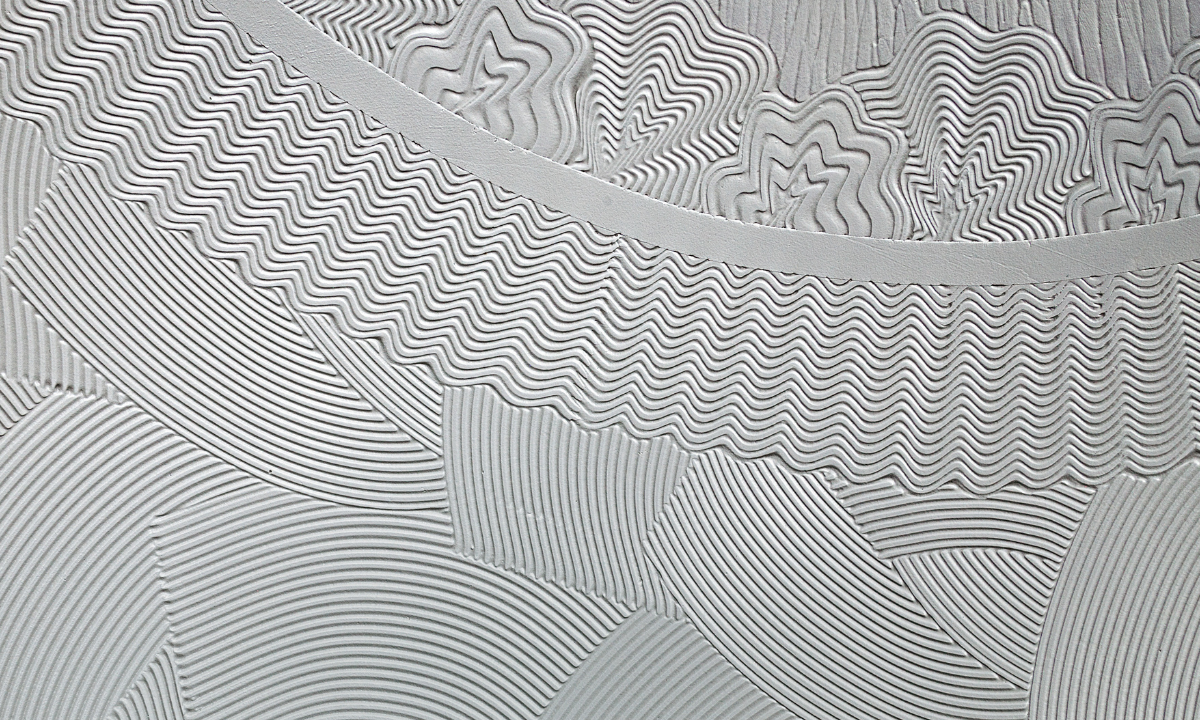
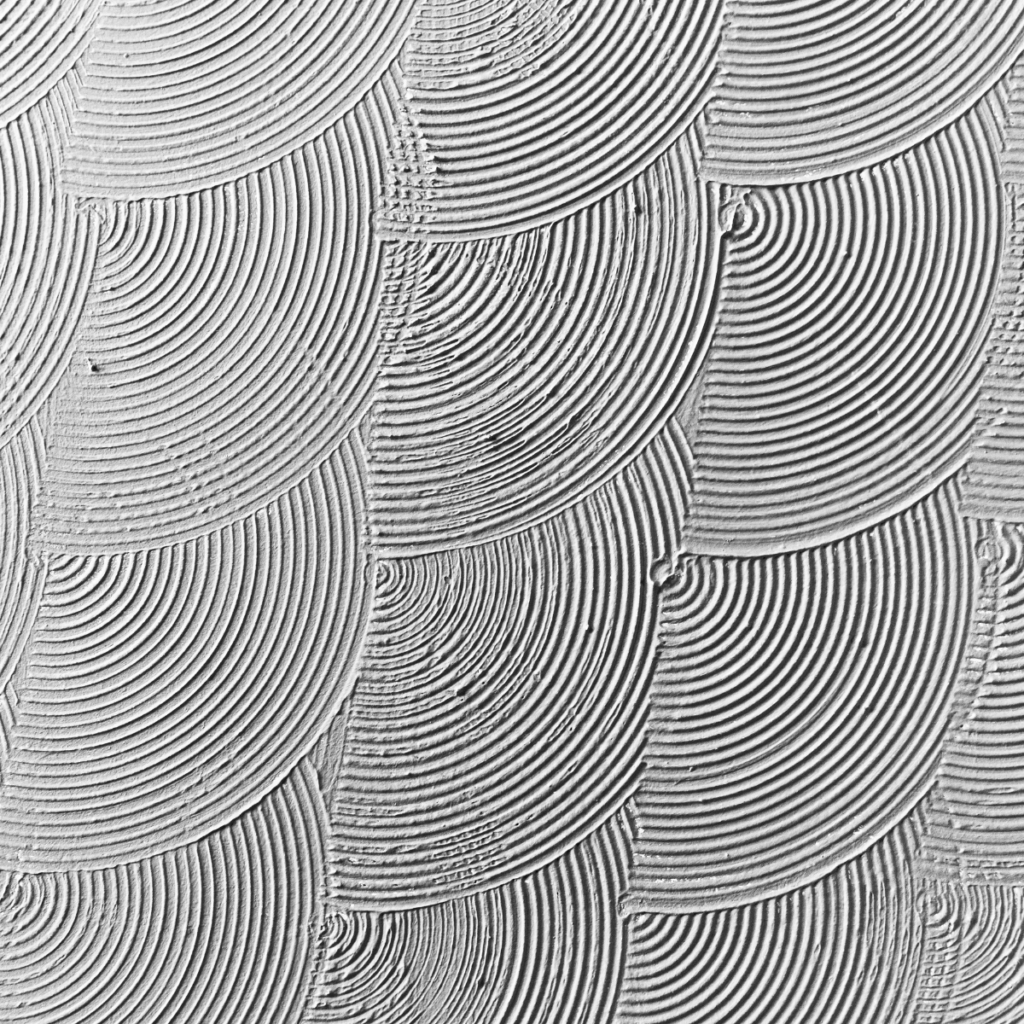
Artex is a decorative ceiling and wall finish used to create textured patterns like:
- Swirls
- Stipples
- Peaks
- “Broken leather” effects
It was widely used to hide imperfections and add visual interest to ceilings.
While modern textured coatings are asbestos-free, older versions (pre-2000) may contain small amounts of asbestos — typically white asbestos (chrysotile).
Do All Artex Ceilings Contain Asbestos?
No — but many do.
This is where things get tricky.
There is no way to tell just by looking whether a textured coating contains asbestos. Two ceilings can look identical, but one could contain asbestos while the other doesn’t.
That’s why assumptions are dangerous.
👉 The only way to confirm is through professional asbestos testing and sampling.
Why Asbestos Was Used in Textured Coatings
Asbestos was added to coatings because it:
- Strengthened the material
- Improved durability
- Made it more resistant to heat and fire
At the time, it was considered a “miracle material.” Unfortunately, we now know the risks that come with it.
The Risks of Drilling, Sanding or Scraping Artex
This is where things become serious.
Asbestos-containing materials are generally considered low risk if left undisturbed. But the moment you:
- Drill into it
- Sand it down
- Scrape or remove it
- Cut into ceilings during renovations
…you risk releasing microscopic asbestos fibres into the air.
These fibres can be inhaled and remain in the lungs for years, potentially leading to serious conditions such as:
- Asbestosis
- Lung cancer
- Mesothelioma
👉 And the dangerous part?
You won’t see or smell these fibres.
Common Situations Where People Disturb Asbestos Ceilings
We see it all the time:
- Installing spotlights
- Running new wiring
- Removing ceilings during refurbishments
- Skimming over old Artex without checking
- DIY renovations
Many people only realise the risk after work has already started — which can lead to emergency callouts, delays, and increased costs.
How Do You Test an Artex Ceiling for Asbestos?
The only safe and reliable way is through professional sampling.
Here’s how it works:
- A trained специалист takes a small sample of the coating
- The sample is sent to a UKAS-accredited laboratory
- Results confirm whether asbestos is present
The process is quick, controlled, and designed to minimise any disturbance.
👉 Never attempt to take samples yourself.
Can You Leave Asbestos in Artex Ceilings?
Yes — in some cases.
If the material is:
- In good condition
- Not damaged
- Unlikely to be disturbed
…it may be safer to leave it in place and manage it.
However, if you’re planning:
- Renovations
- Structural changes
- Ceiling replacements
…then removal or professional encapsulation may be required.
Your Options: Removal vs Encapsulation
Encapsulation
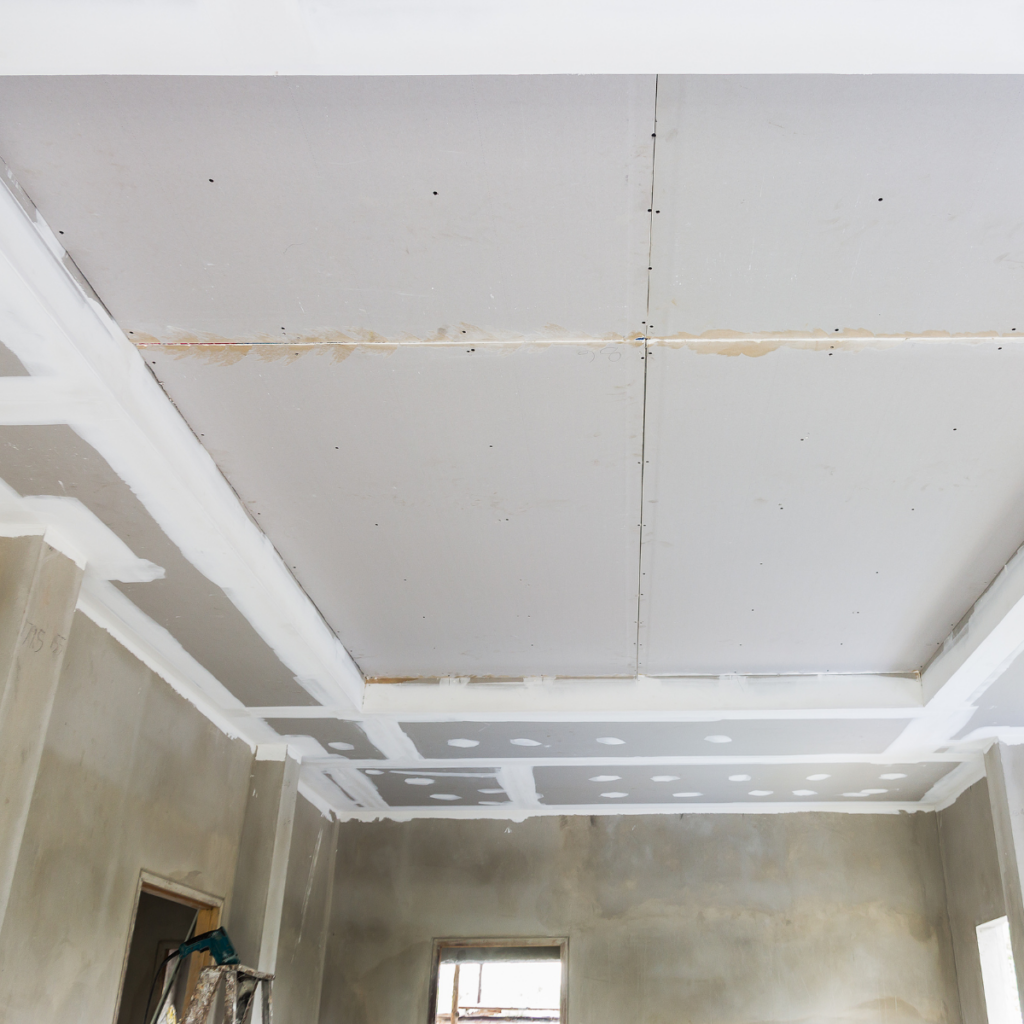
- Sealing the material to prevent fibre release
- Often done by overboarding or sealing coatings
- Lower cost option in some cases
Removal
- Full safe removal by licensed professionals
- Required if materials are being disturbed
- Ensures long-term peace of mind
The right option depends on your property, plans, and condition of the material.

How Much Does It Cost to Remove Artex with Asbestos?
Costs can vary depending on:
- Size of the area
- Accessibility
- Condition of the material
- Level of risk
Generally speaking:
- Small areas may cost a few hundred pounds
- Larger or complex removals will be higher
👉 But compared to the cost of delays, health risks, or legal issues, it’s always worth doing it properly.
Legal Responsibilities (UK)
If you’re:
- A landlord
- A business owner
- A contractor
You have a legal duty to manage asbestos risk under UK regulations.
This includes:
- Identifying asbestos-containing materials
- Preventing exposure
- Ensuring safe handling and removal
Failure to do so can lead to:
- Fines
- Prosecution
- Project shutdowns
Real Talk: What We See on Site
We’re often called in after:
- Ceilings have already been drilled
- Renovations have started without checks
- Trades unknowingly disturb materials
At that point, it becomes:
👉 A safety issue
👉 A compliance issue
👉 A cost issue
The best approach?
Check first. Always.
FAQs
Do all Artex ceilings contain asbestos?
No, but many installed before 2000 do. The only way to confirm is through testing.
Is asbestos in Artex dangerous?
It’s low risk if left undisturbed. However, drilling, sanding, or removing it can release harmful fibres.
Can I remove Artex ceiling myself?
No. If asbestos is present, removal should be carried out by trained professionals to ensure safety and compliance.
How long does asbestos testing take?
Sampling is quick, and results are typically returned within a few days.
What happens if asbestos is found?
You’ll receive guidance on whether it can be left, encapsulated, or needs to be safely removed.
Can you plaster over Artex with asbestos?
In some cases, yes — but only after proper assessment. You should never assume it’s safe without testing first.
Need Help or Peace of Mind?
If you’re unsure whether your ceiling contains asbestos — or you’re planning work on a property built before 2000 — it’s always best to check first.
At MD Environmental, our licensed team provides:
- Professional asbestos testing & surveys
- Safe, compliant removal
- Fast response for domestic and commercial properties
👉 Don’t take risks with asbestos.
Call us today: 0330 043 8778
Email: hello@md-env.com
Or get in touch for expert advice and a no-obligation quote.